
 Greater Houston’s growth depends on infrastructure built over many decades. Water lines, drainage channels, treatment plants, lift stations, roads, bridges, and power systems rarely draw attention when they are working. But their condition affects whether communities can grow, businesses can operate, streets can drain, and residents can count on basic services.
Maintaining that infrastructure is part of managing growth. The region needs new projects, but it also needs to repair and replace systems that already serve millions of people and businesses. When maintenance is delayed, costs can rise and service disruptions become more likely.
Water and wastewater
Houston’s drinking water system covers more than 600 square miles across four counties. Houston Public Works reported that in 2021 the city produced and distributed more than 172 billion gallons of water through a pipeline network of more than 7,000 miles. A system of that size requires ongoing attention to pipes, valves, pumps, meters, and treatment facilities.
Water main breaks can quickly affect households, hospitals, businesses, and emergency services. Leaks also waste water that has already been treated and pumped, while repairs can damage pavement, disrupt traffic, and add to operating costs. Those losses matter in a region managing long-term water supply, subsidence, and affordability concerns.
Wastewater systems also need sustained investment. Houston Public Works reports that its Wastewater Operations Branch operates 38 treatment plants, two wet weather facilities, more than 370 lift stations, and over 6,100 miles of wastewater pipelines. The city is under a federal consent decree that requires billions of dollars in improvements to address aging infrastructure and accommodate population growth.
Wastewater failures can lead to sanitary sewer overflows, with consequences for public health, waterways, and public confidence. Reliable wastewater service is also a basic requirement for homes, schools, hospitals, restaurants, and employers. Along with drinking water, it is part of the infrastructure that allows communities and businesses to function.
The region should also make greater use of treated wastewater. Non-potable reuse can supply water for medians, parks, golf courses, commercial landscapes, campuses, and common areas in master-planned communities. Used where appropriate, it can reduce demand for drinking water and help communities manage drought. Reuse should become a regular consideration in development and regional water planning.
Drainage and mobility
Drainage infrastructure needs the same attention. Greater Houston’s flat terrain, clay soils, heavy rainfall, and continuing development place ongoing demands on channels, detention basins, storm sewers, outfalls, and roadside ditches. These systems need routine maintenance as well as investment in upgrades.
Delays can make problems more expensive to address. Sediment or vegetation can reduce a channel’s capacity. Blocked or undersized storm sewers can contribute to street flooding. Detention basins and bridges also need to be maintained and evaluated as development and rainfall patterns change.
Drainage should be considered early in development and infrastructure planning. Roadway design, utilities, parks, and flood mitigation often affect one another, and coordination at the beginning of a project can help avoid later conflicts. Green infrastructure, regional detention, conveyance improvements, buyouts, stormwater tunnels, and nature-based solutions can all contribute, depending on local conditions and the problem being addressed.
Mobility is part of the same infrastructure picture. Streets, bridges, intersections, sidewalks, trails, transit connections, freight corridors, and emergency routes connect people to jobs and services. As Greater West Houston grows into Fort Bend, Waller, and northwest Harris County, transportation investments will need to keep pace with changing travel patterns and development.
These systems are often planned separately, but their effects overlap. A flooded road can disrupt travel and emergency response. A power outage can affect water pumps, lift stations, and traffic signals. A water main break can require street repairs and disrupt traffic. When a road is being reconstructed, it may also be an opportunity to address nearby utility, drainage, or sidewalk needs.
Planning for the long term
Greater Houston’s infrastructure is managed by many different organizations, including cities, counties, municipal utility districts, management districts, water authorities, drainage districts, state agencies, and private developers. Each has its own responsibilities, funding sources, schedules, and standards. That arrangement has supported the region’s growth, but it can also make coordination difficult and add time and cost to projects.
Better coordination starts with understanding how projects affect one another. It also means accounting for long-term operating and maintenance costs when projects are planned, and bringing public and private partners together before design decisions are nearly complete.
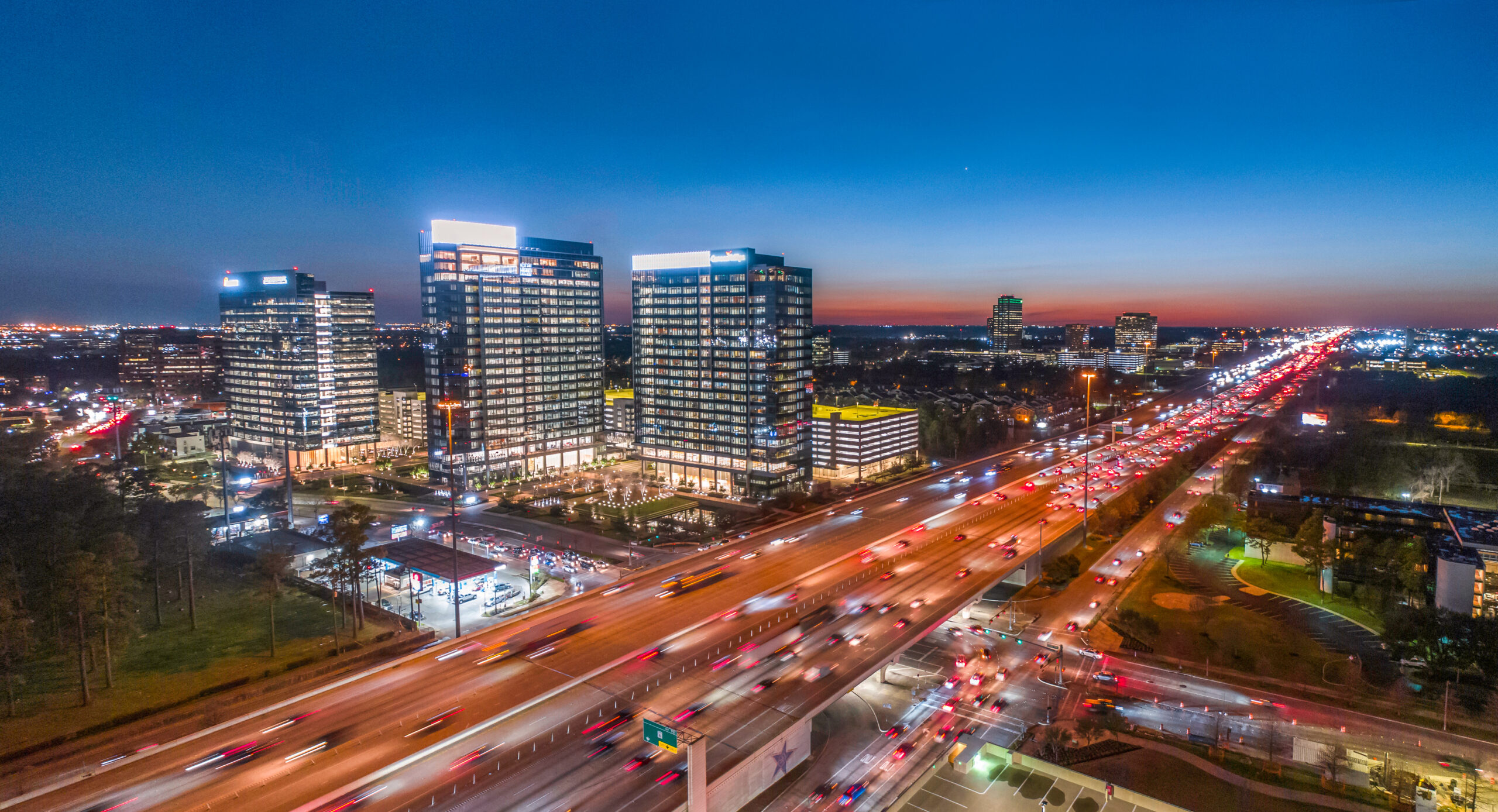 The West Houston Association’s 2060 Plan provides a framework for considering these connections. Its focus on water resources, flood control and drainage, mobility, quality development, parks and open space, and sustainable infrastructure reflects the way regional issues intersect. Growth depends on water and wastewater service. Transportation depends in part on drainage. Economic activity depends on infrastructure that people and businesses can rely on.
Several practical steps can help the region prepare for the decades ahead. Infrastructure owners need current information about the age, condition, risks, and replacement costs of the assets they manage. Budgets should account for maintenance and eventual replacement, as well as new construction. Water conservation and reuse should be considered in planning and development. Flood risk and stormwater capacity should be part of project discussions from the start.
The region also needs to explain why this work matters. Pipes, plants, channels, and roads may attract little attention during normal operations, but their condition affects daily life and the cost of future growth.
Greater Houston will continue to grow. The task is to plan that growth while keeping existing systems reliable and preparing them for future demand. That calls for steady maintenance, realistic funding, coordination across jurisdictions, and decisions made before infrastructure problems become emergencies.