
Houston, as one of the nation’s largest and fastest-growing metropolitan areas, faces ongoing challenges in securing sustainable water resources. Demand for water continues to rise due to population growth, industrial expansion, and the increasing frequency of droughts and extreme weather events. Water reuse has emerged as a critical component of Houston’s integrated water management strategy. By reclaiming treated wastewater for beneficial uses, the city can reduce potable water demand, enhance drought resilience, and meet regulatory requirements for subsidence.
Defining Types of Reuse
Water reuse is generally categorized into three types: Type I, Type II, and direct potable reuse.
These classifications help determine the appropriate treatment standards and applications for recycled water. Type I and Type II refer to non-potable reuse, with varying degrees of required treatment depending on the level of human exposure, while direct potable reuse involves treating municipal wastewater to drinking-water standards for immediate use in the water supply system.
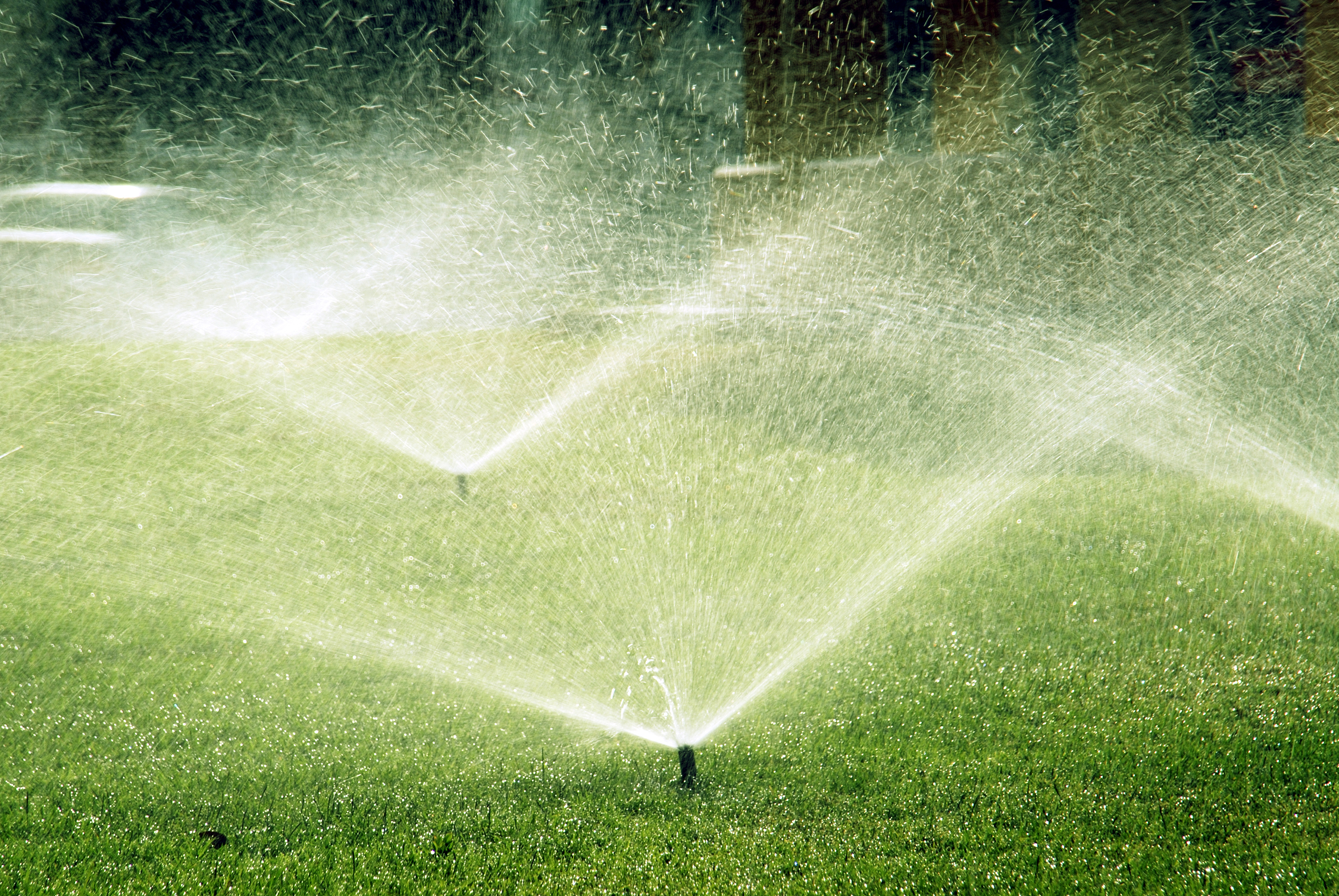 Type I reuse refers to the use of highly treated reclaimed water for applications that may involve human exposure or contact. This includes landscape irrigation for parks, school grounds, residential lawns, and recreational areas. Because of the potential for direct or indirect human contact, Type I reuse water must meet stringent quality standards, including low pathogen and contaminant levels.
Type II reuse, in contrast, involves reclaimed water used in applications with minimal human contact. Common examples include irrigation of highway medians, industrial process water, dust control at construction sites, and certain types of cooling water. Type II reuse water is subject to less rigorous treatment requirements than Type I, reflecting the lower risk of exposure.
Direct potable reuse (DPR) is the process of treating municipal wastewater to drinking-water standards for immediate use in a water supply system, bypassing environmental buffers. DPR demands advanced treatment methods like membrane filtration and disinfection, continuous monitoring, strict regulation, and operator training to ensure safety. While it provides a reliable local water source, DPR requires rigorous management to protect public health.
Type I water reuse is the most widely adopted reuse category in the Houston region. This popularity stems from the fact that many local areas—such as parks, school grounds, and residential lawns—regularly involve situations where people may come into direct or indirect contact with reclaimed water. Consequently, Type I reuse systems are designed to meet strict quality standards to ensure public safety; however, the treatment processes required for Type I reuse are not as advanced, costly, or rigorous as those necessary for direct potable reuse (DPR), which must elevate municipal wastewater to drinking-water standards for immediate human consumption. As a result, Type I reuse offers a practical balance between safety and cost-effectiveness for applications where human exposure is possible but not as intensive as DPR scenarios.
Regional Water Authority Credits and Reimbursements
To encourage the adoption of water reuse, regional water authorities in the Houston area have implemented credit and reimbursement programs. These financial incentives are designed to offset the costs of developing, operating, and maintaining water reuse infrastructure, making projects more economically viable for utilities, municipalities, and private entities.
Credits are typically awarded based on the volume of potable water demand displaced by reuse projects. For example, a utility that installs a large-scale irrigation system using reclaimed water may receive credits toward its regulatory water conservation targets. These credits can be applied to compliance obligations or traded within certain frameworks, providing flexibility for utilities to meet their goals.
Reimbursement programs, on the other hand, provide direct financial support for qualifying projects. This can include partial reimbursement of capital costs for constructing reuse distribution lines, storage facilities, or advanced treatment systems. The reimbursement process generally involves submitting detailed project plans, cost estimates, and documentation of water savings to the regional authority for review and approval.
In the Houston region, the North Harris County Regional Water Authority (NHCRWA) and the West Harris County Regional Water Authority (WHCRWA) are leading proponents of these programs. Their initiatives help local water providers implement reuse systems, contributing to regional water sustainability and regulatory compliance.
Identifying Project Candidates for Water Reuse
Selecting suitable candidates for water reuse projects begins with a thorough assessment of water supply and demand patterns, infrastructure capabilities, and regulatory requirements. Several criteria are commonly used to identify ideal projects:
- Proximity to Reclaimed Water Source: Projects located near wastewater treatment facilities or existing reclaimed water pipelines are more cost-effective and easier to implement.
- Consistent Non-Potable Water Demand: Facilities with a steady need for non-potable water—such as golf courses, industrial parks, or data centers—are prime candidates.
- Regulatory and Financial Incentives: Projects that can leverage regional credits or reimbursements are more attractive from an economic standpoint.
- Potential for Potable Water Offset: Projects that significantly reduce potable water usage contribute directly to conservation goals and may be prioritized for funding.

Examples of successful project candidates in Houston include large commercial developments, municipal parks, industrial cooling systems, and educational campuses. Early engagement with water authorities and regulatory agencies is critical to ensure project feasibility and compliance.
Storage and Treatment Methods for Reuse Water
Safe and reliable storage and treatment are essential to the success of any water reuse program. Treatment processes are tailored to meet the required water quality standards for Type I or Type II reuse.
For Type I reuse, advanced treatment technologies such as membrane filtration, ultraviolet (UV) disinfection, and advanced oxidation are commonly employed to remove pathogens and trace contaminants. Secondary treatment, followed by chemical disinfection (e.g., chlorination), may be sufficient for Type II reuse, depending on the intended application and regulatory requirements.
Storage of reclaimed water is typically accomplished using ground storage tanks, lined ponds, or covered reservoirs. These facilities are designed to maintain water quality, minimize evaporation, and provide a buffer during periods of fluctuating demand. Monitoring and maintenance protocols are essential to prevent contamination and ensure compliance with health and safety standards. Integration of real-time water quality monitoring and automated control systems can further enhance the safety and efficiency of storage and distribution operations.
Reuse Water for Data Center Cooling
The rapid growth of the digital economy has led to a surge in data center construction across the Houston area. Data centers require significant amounts of water for cooling, making them ideal candidates for water reuse applications.
Using reclaimed water for data center cooling offers several benefits. It reduces the demand on potable water supplies, supports corporate sustainability goals, and may lower operating costs by taking advantage of regional incentives. Technical considerations include ensuring consistent water quality to prevent scaling, corrosion, or biological fouling within cooling systems. Pretreatment steps such as softening, filtration, and chemical dosing are often necessary to adapt reclaimed water for use in sensitive equipment.
Case studies from other metropolitan regions have demonstrated the viability of this approach. For instance, data centers in California and Arizona have successfully implemented large-scale cooling systems using reclaimed water. In Houston, ongoing pilot projects and feasibility studies are exploring the integration of water reuse into both new and existing data center facilities. Collaboration between utilities, data center operators, and regulators is key to overcoming technical and regulatory barriers.
Conclusion: The Future of Water Reuse in Houston
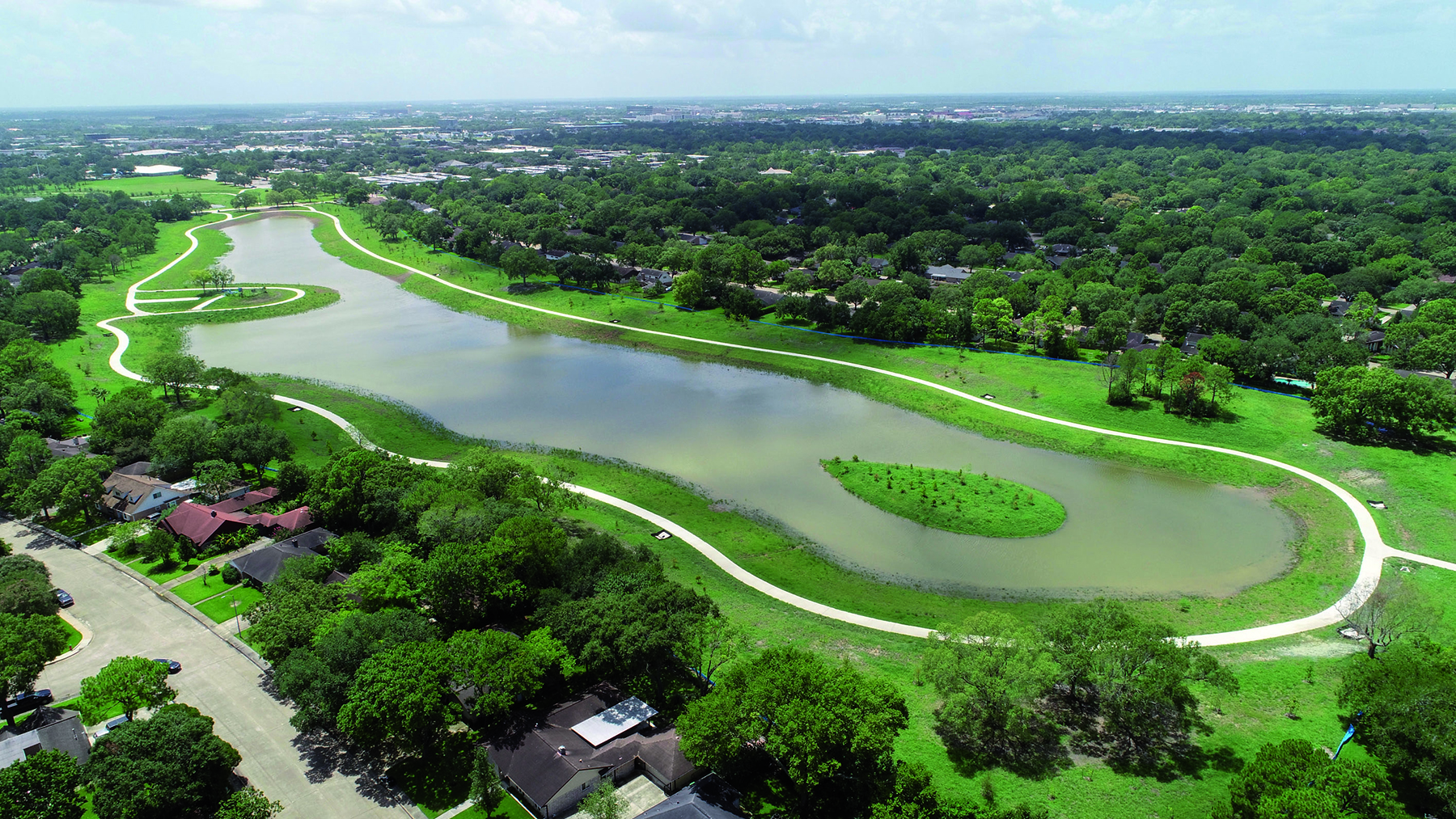
Water reuse is a cornerstone of Houston’s strategy to ensure long-term water security and resilience. By understanding the distinctions between Type I and Type II reuse, leveraging regional credit and reimbursement programs, and carefully identifying project candidates, Houston’s water professionals can maximize the benefits of reclaimed water. Advanced storage and treatment methods, combined with innovative applications such as data center cooling, will continue to drive progress in sustainable water management. As technology evolves and the demand for water grows, water reuse will remain central to Houston’s efforts to build a sustainable and resilient future.
